
When treatment becomes training
Why a good recovery plan eventually moves beyond the treatment room and into progressive, confident movement.
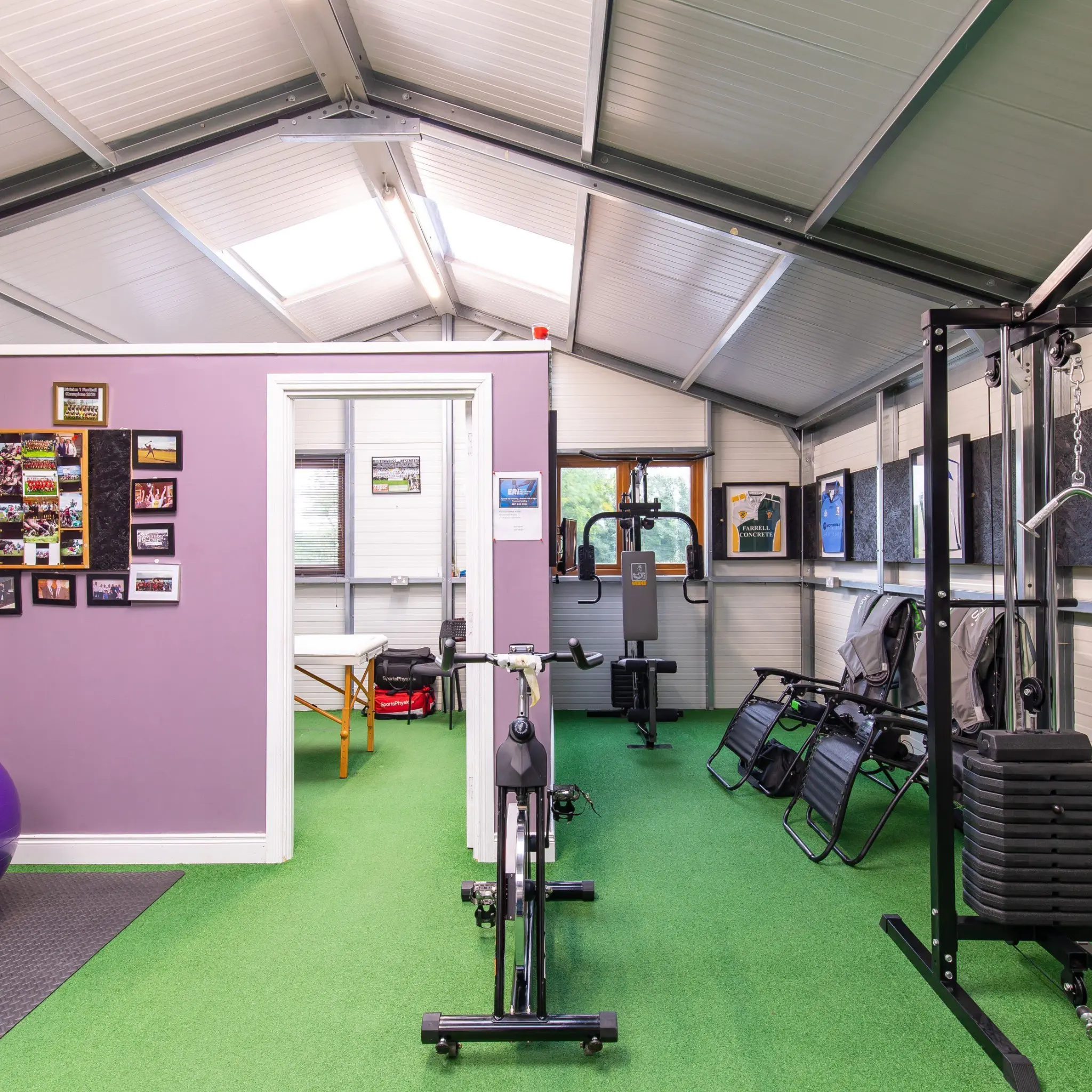
Hands-on treatment can be an important early step, but recovery is rarely complete when symptoms simply settle. The next stage is rebuilding what the body needs to tolerate work, sport, and everyday life.
Start with a clear baseline
Before loading an area, it helps to understand what currently feels comfortable, what remains limited, and which movements matter most in your daily life. A useful baseline does not need to be complicated; it needs to be repeatable so progress can be seen rather than guessed.
Build capacity in sensible steps
Rehabilitation usually becomes more useful when exercises progress gradually in range, control, resistance, speed, or complexity. The right step is challenging enough to create adaptation but manageable enough that technique and confidence remain intact.
Return to the movements that matter
A runner, tradesperson, parent, and field-sport athlete may share the same painful area but need very different end points. Later-stage rehabilitation should increasingly resemble the real tasks you want to return to, with enough preparation to make that return feel familiar rather than abrupt.